
Supplementary Plates

This page presents the official Lithuanian Road Traffic Rules (KET) on the topic of "supplementary plates", valid throughout the Republic of Lithuania under the 2026 rules. Understanding these provisions is essential for passing the theory exam at Regitra and for participating safely in traffic. Each provision below links to the official consolidated KET.
🎥 Video explanation
A short video explaining this topic. The video is in Lithuanian. Open the video page.
📚 Detailed rules
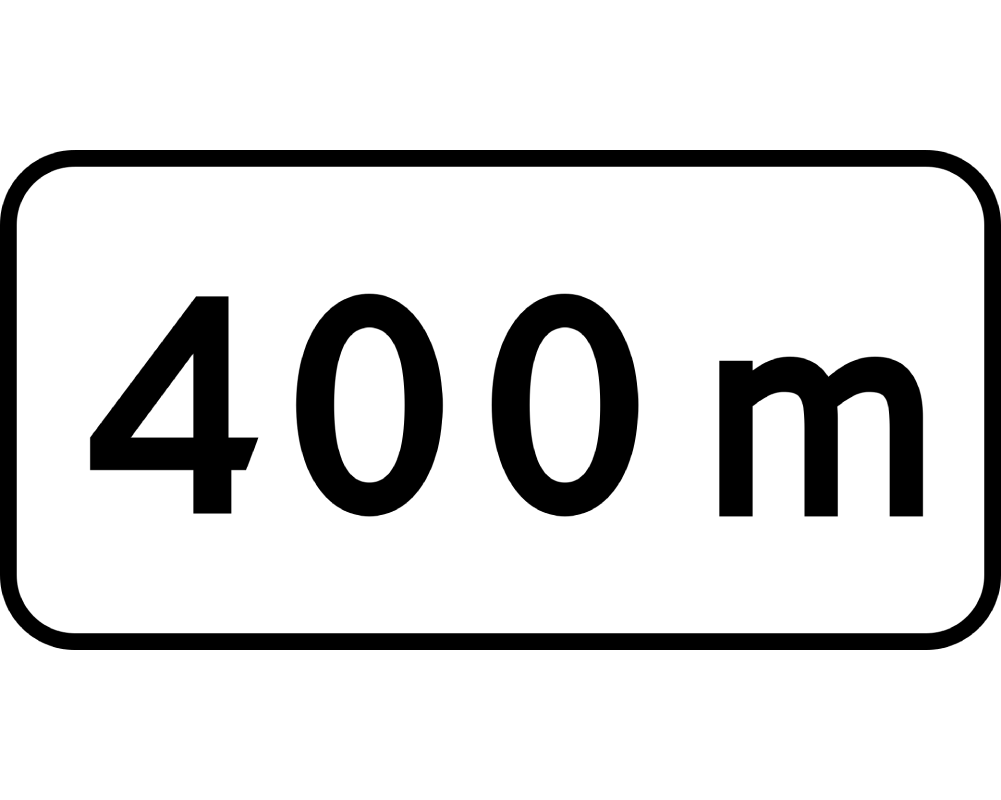 Distance to object
Indicates the direction and distance to the object or to the beginning of a dangerous road section. The direction of the object (section) indicated on the plate is straight ahead.
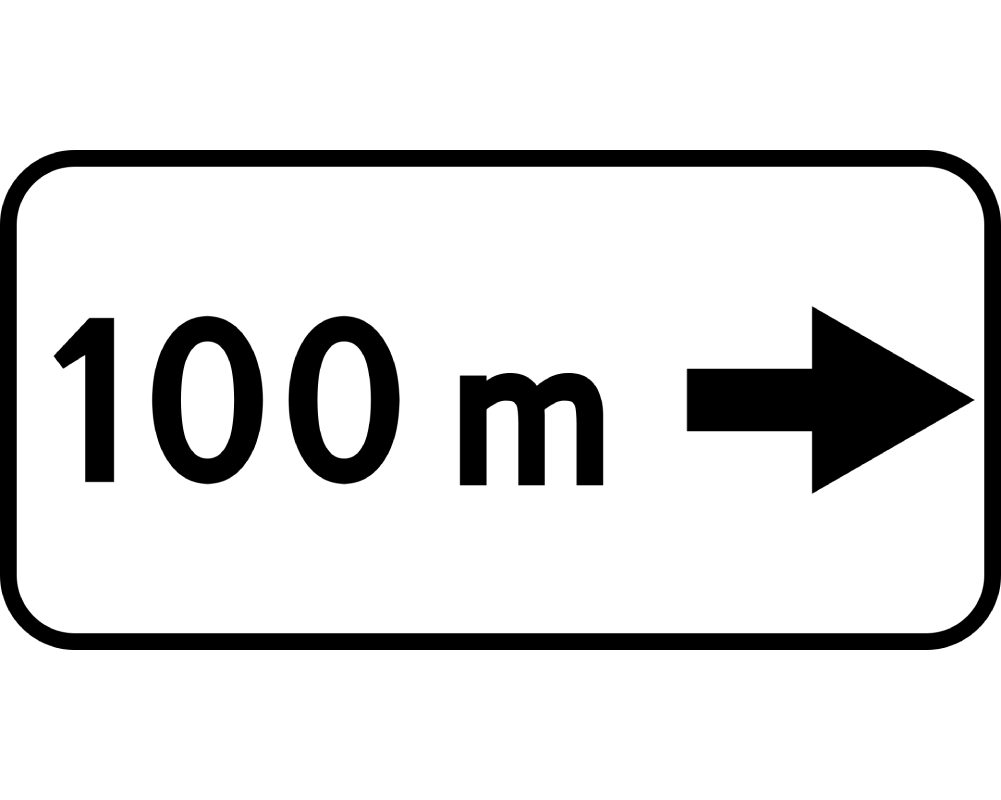 Distance to object
Indicates the direction to the right and the distance to the object or to the beginning of a dangerous road section.
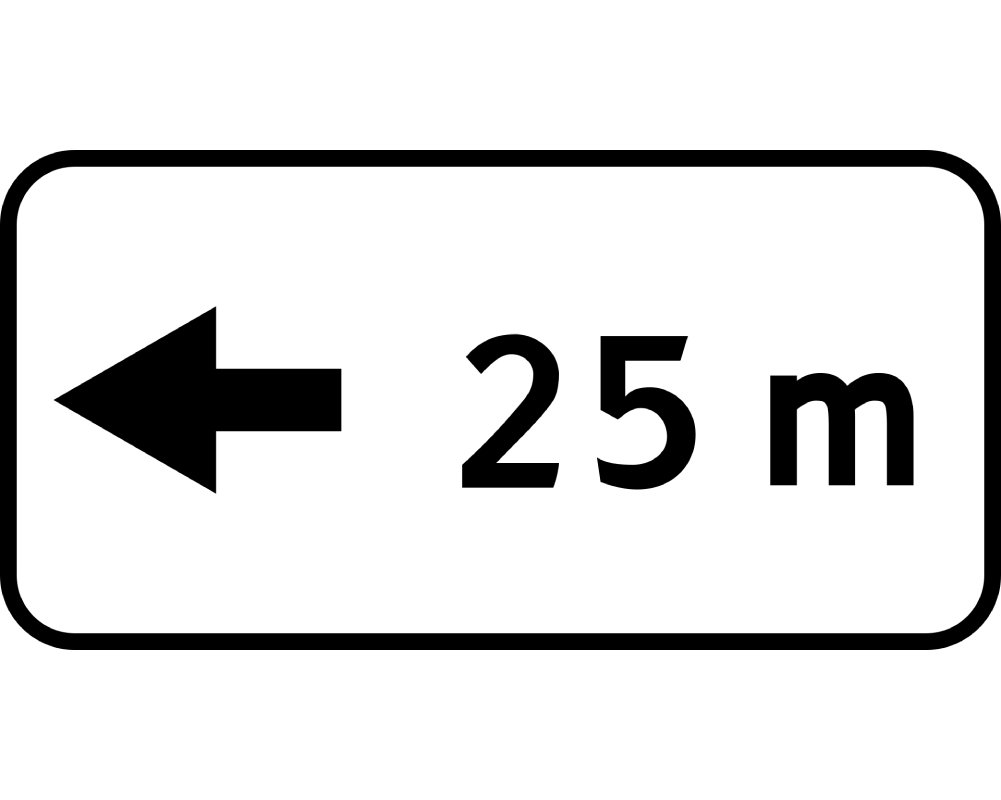 Distance to object
Indicates the direction to the left and the distance to the object or to the beginning of a dangerous road section.
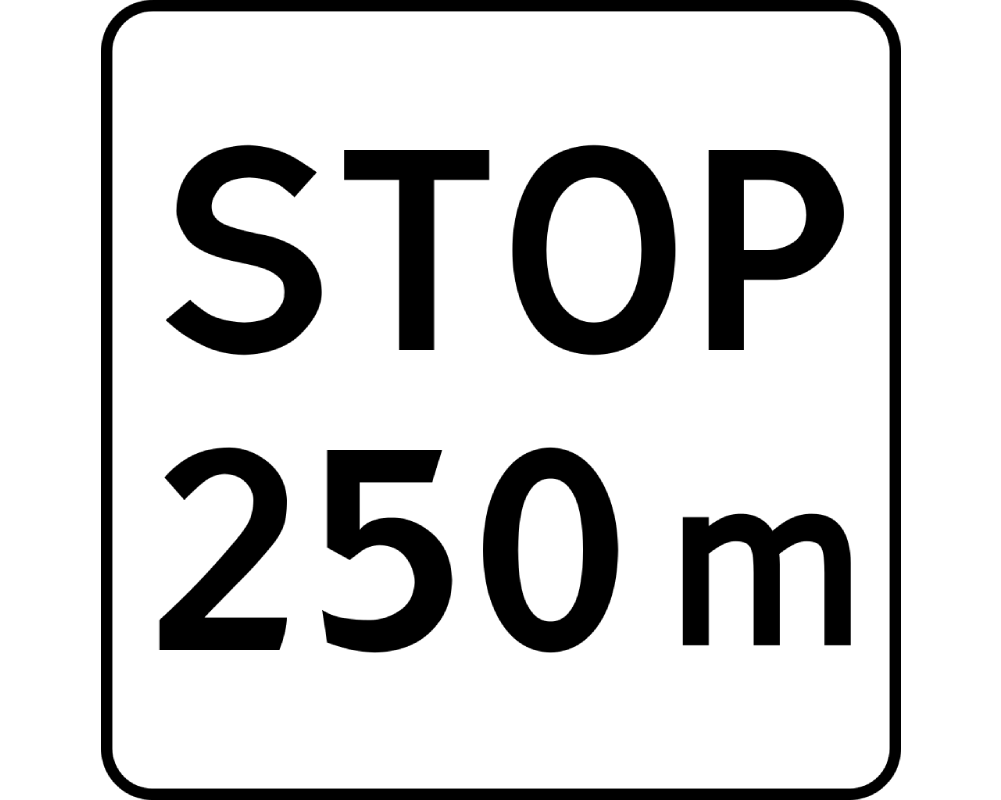 Distance to intersection
Indicates the distance to the intersection before which the road sign "Stop" is installed.
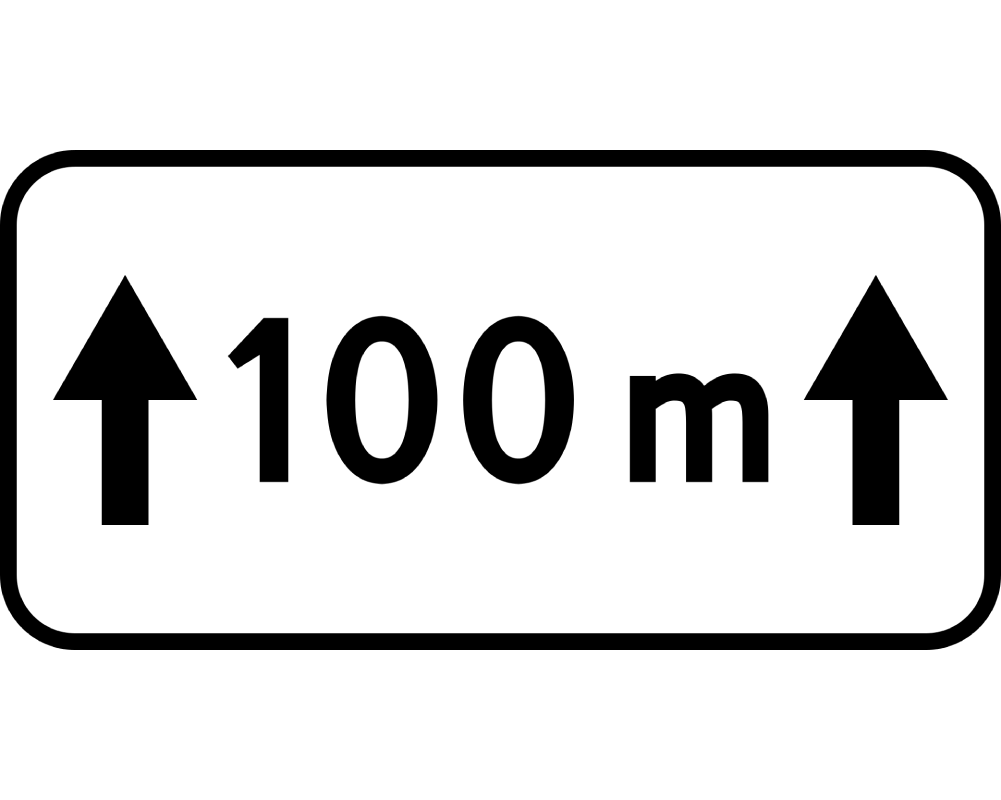 Area of validity ahead
Indicates the length, beyond the road sign, of a dangerous road section or of the area of validity of other road signs with which it is used.
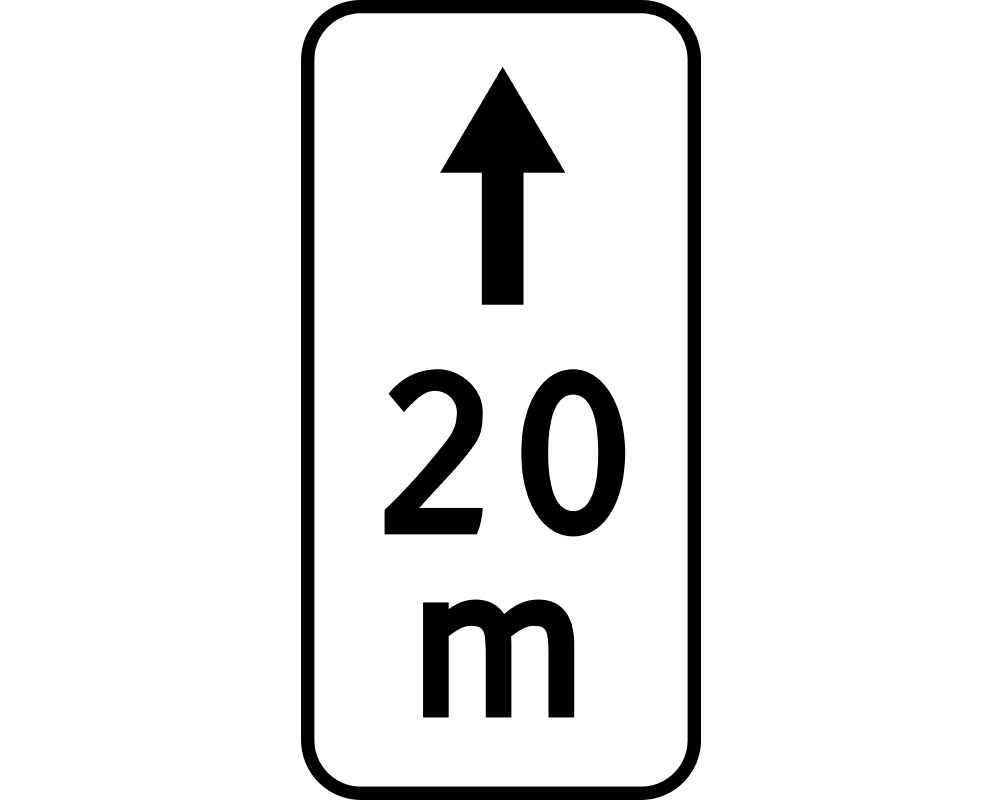 Area of validity ahead
Indicates the length, beyond the road sign, of a dangerous road section or of the area of validity of other road signs with which it is used.
 Area of validity ahead and behind
Indicates the area of validity of road signs.
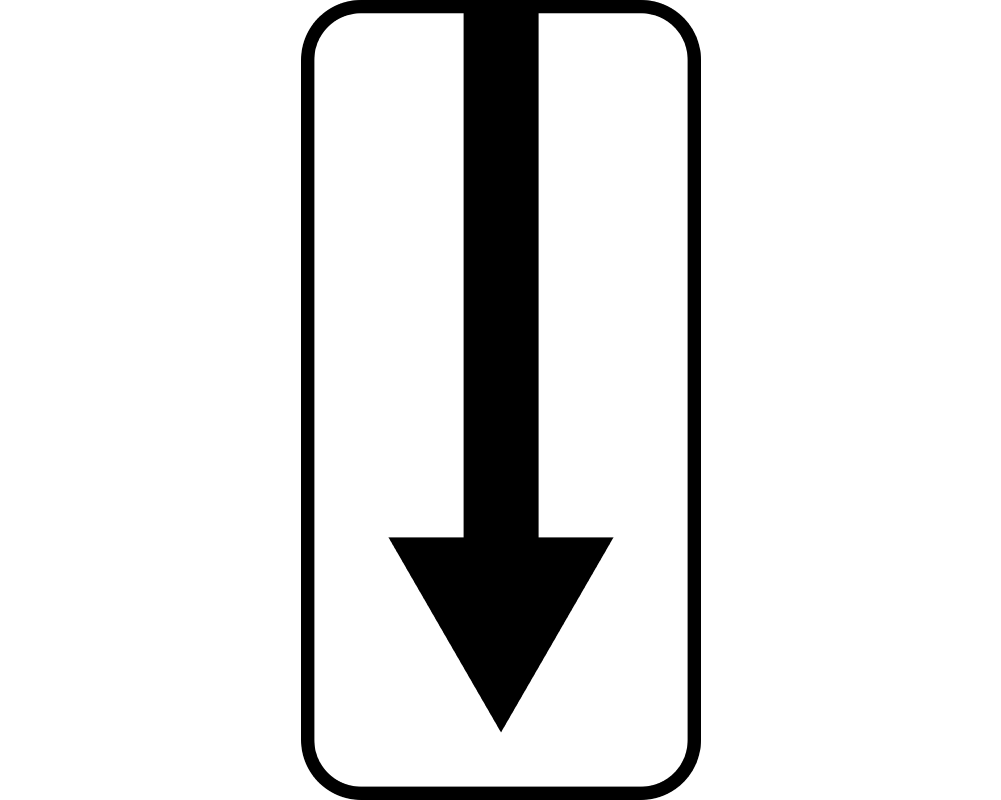 End of area of validity
Indicates the end of the area of validity of road signs.
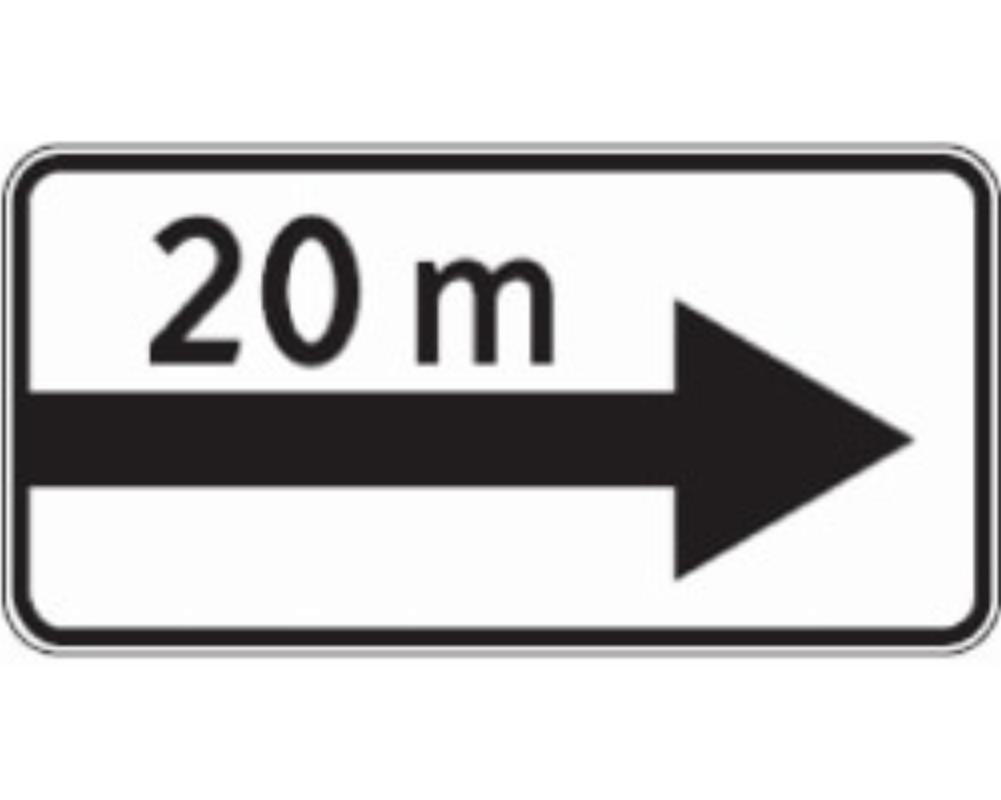 Area of validity to the right
Indicates the direction (to the right) and length of the area of validity of road signs prohibiting stopping or parking, and of road signs Nos. 528–532, 549.
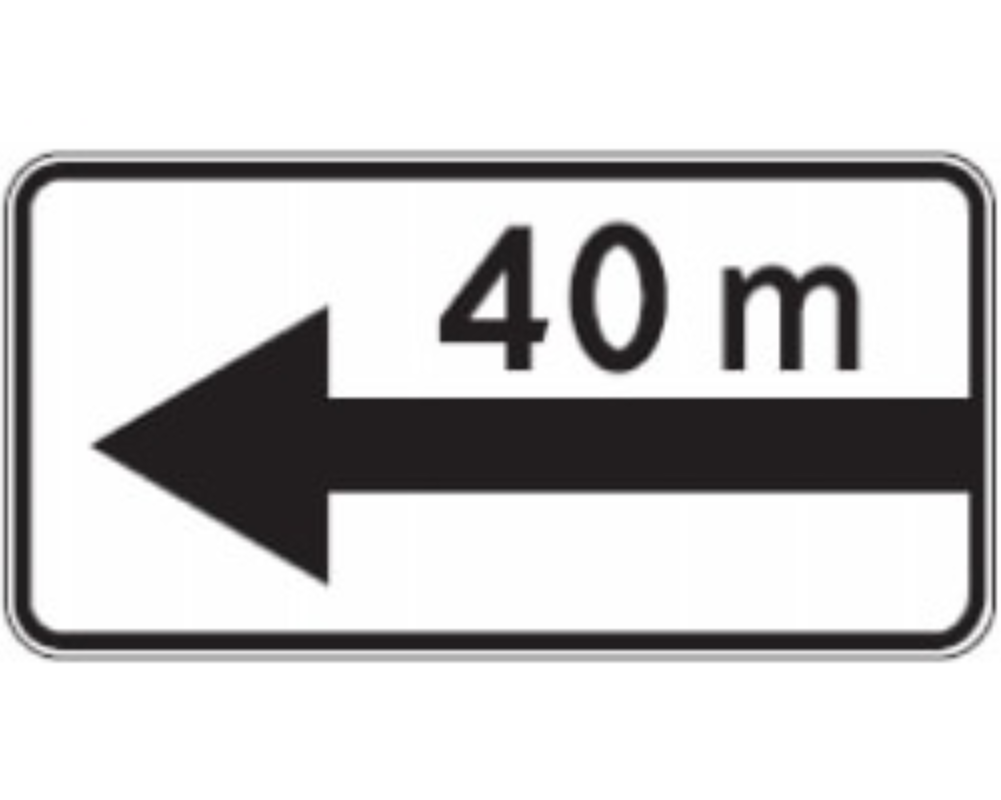 Area of validity to the left
Indicates the direction (to the left) and length of the area of validity of road signs prohibiting stopping or parking, and of road signs Nos. 528–532, 549.
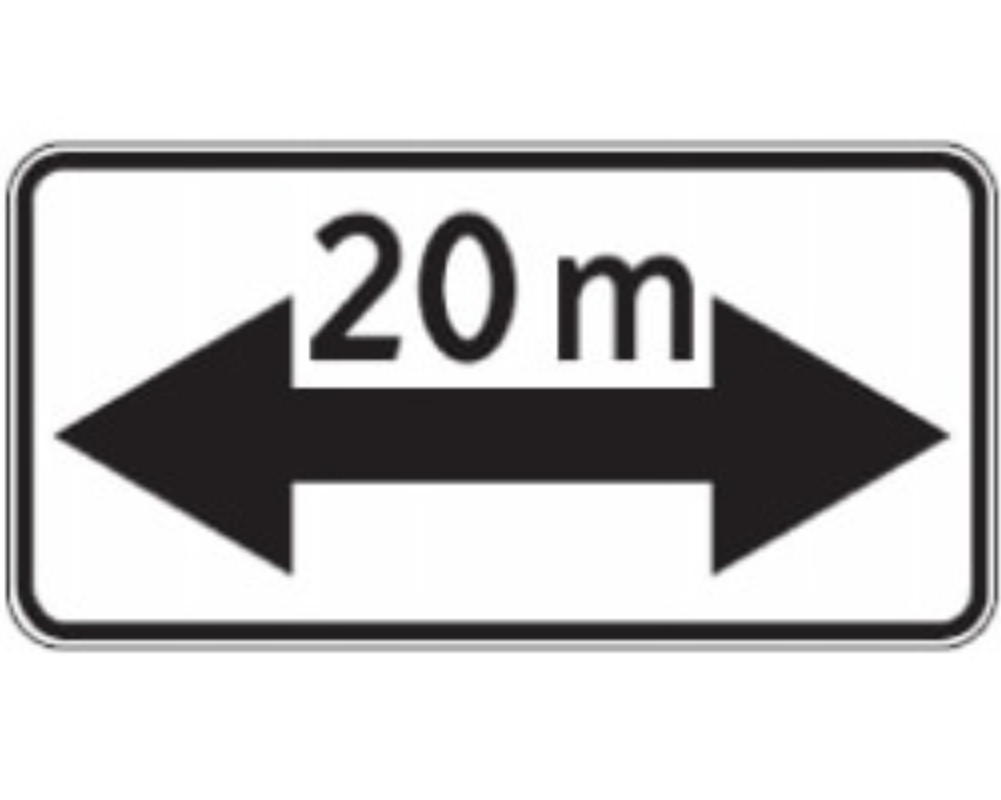 Area of validity to both sides
Indicates the direction (to both sides) and length of the area of validity of road signs prohibiting stopping or parking, and of road signs Nos. 528–532, 549.
 Direction of validity to the right
Indicates the directions of validity of road signs installed before an intersection, or the direction of travel to objects located immediately next to the road.
 Direction of validity to the left
Indicates the directions of validity of road signs installed before an intersection, or the direction of travel to objects located immediately next to the road.
 Direction of validity to both sides
Indicates the directions of validity of road signs installed before an intersection, or the direction of travel to objects located immediately next to the road.
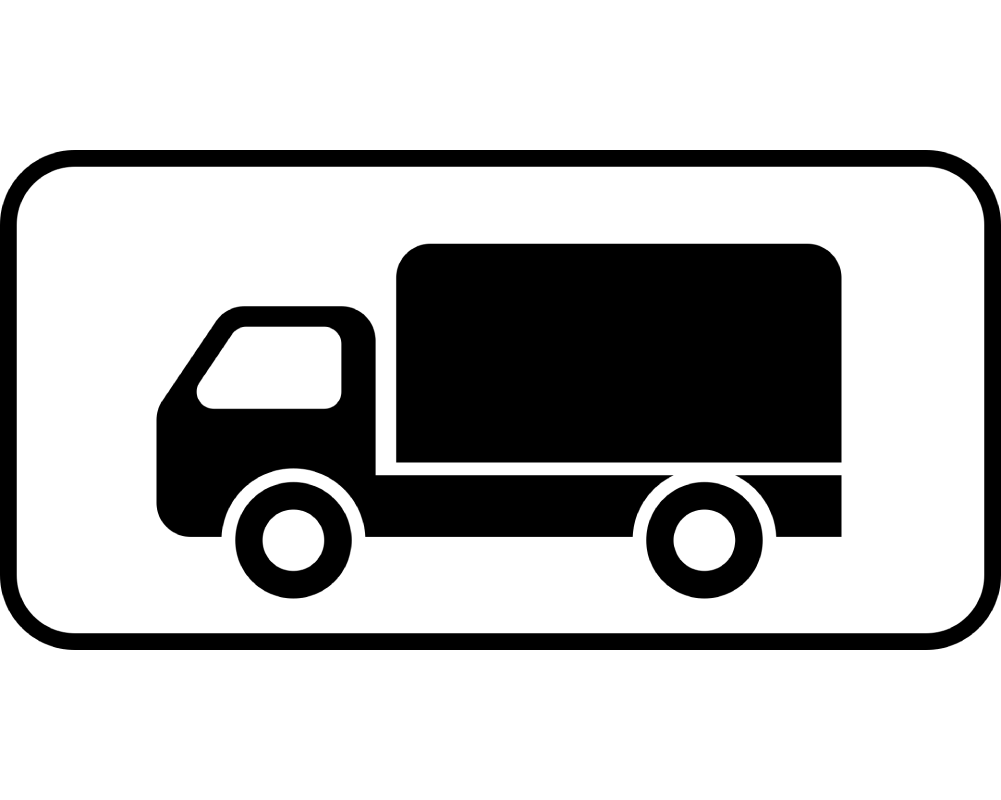 Heavy goods vehicles
A road sign with the plate "Heavy goods vehicles" applies to heavy goods vehicles and their combinations with a maximum permissible mass exceeding 3.5 tons.
 Vehicles with trailers
A road sign with the plate "Vehicles with trailers" applies to cars, tractors and self-propelled machines with a trailer.
 Passenger cars
A road sign with the plate "Passenger cars" applies to passenger cars and heavy goods vehicles with a maximum permissible mass of no greater than 3.5 tons.
 Buses
Buses
Indicates the type of vehicle to which the road sign applies.
 Tractors
Indicates the type of vehicle to which the road sign applies. A road sign with the plate "Tractors" applies to tractors and self-propelled machines.
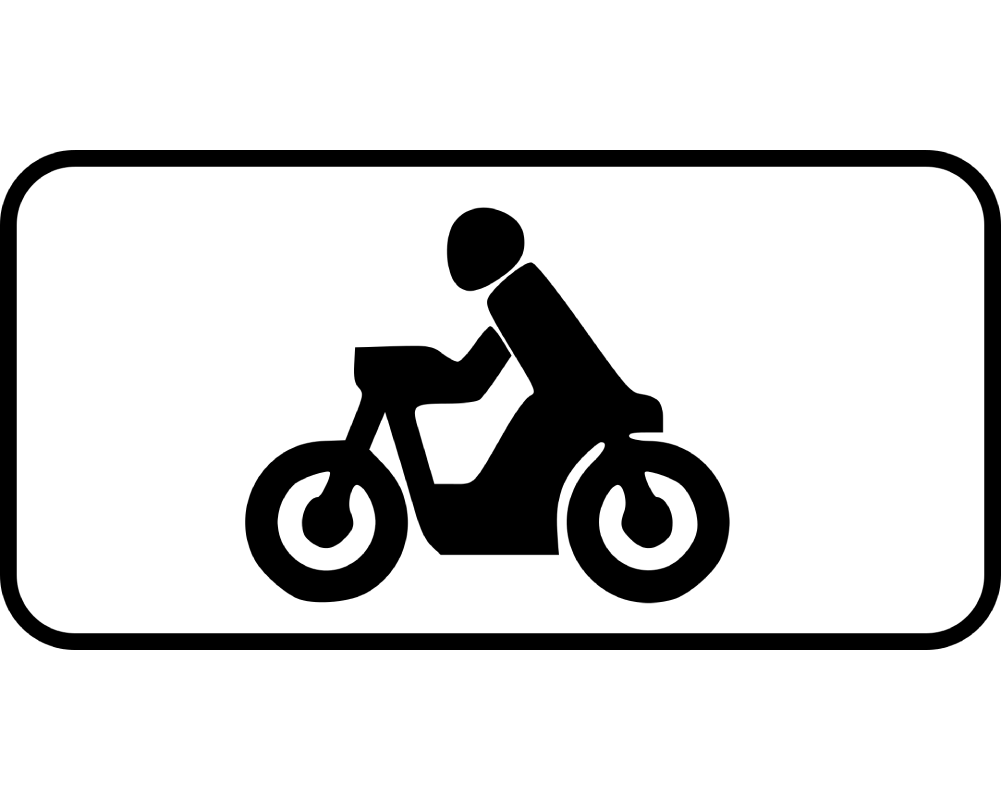 Motorcycles
Indicates the type of vehicle to which the road sign applies.
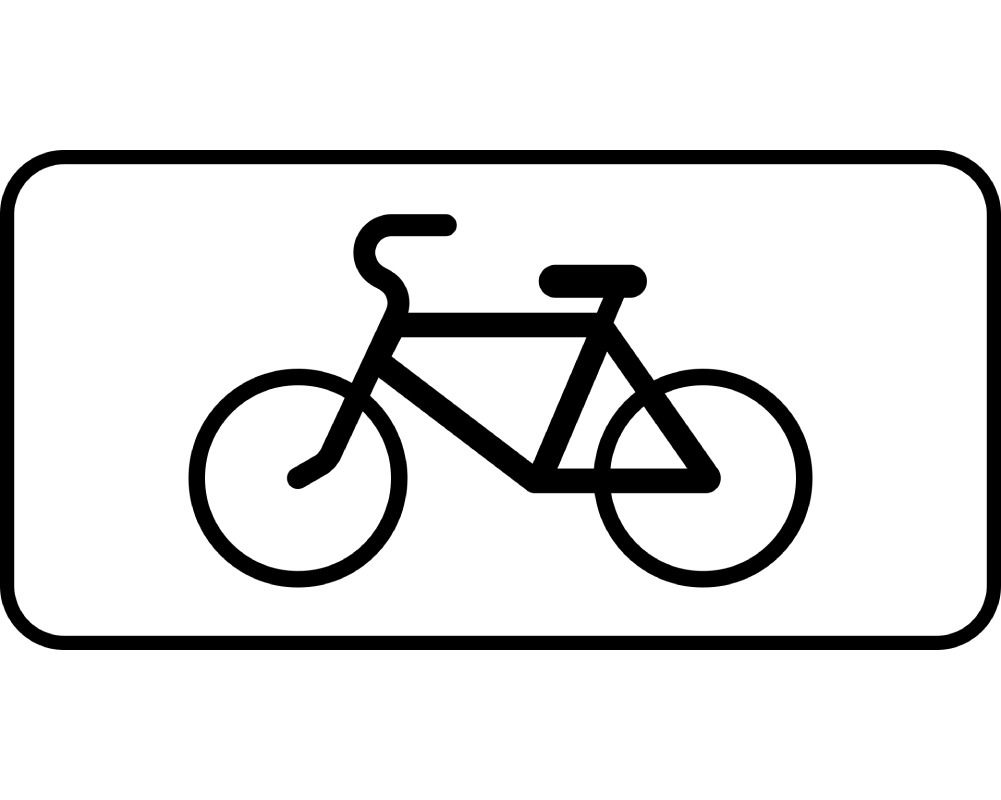 Bicycles
Indicates the type of vehicle to which the road sign applies. A road sign with the plate "Bicycles" applies to bicycles and electric micro-mobility vehicles.
 Non-working days
Indicates that the road sign is valid only on Saturdays, Sundays, holidays established in the Republic of Lithuania Labor Code, and non-working days declared by the Government of the Republic of Lithuania.
 Working days
Indicates that the road sign is valid from Monday to Friday inclusive, except for holidays established in the Republic of Lithuania Labor Code and non-working days declared by the Government of the Republic of Lithuania.
 Days of the week
Indicates the days of the week on which the road sign is valid.
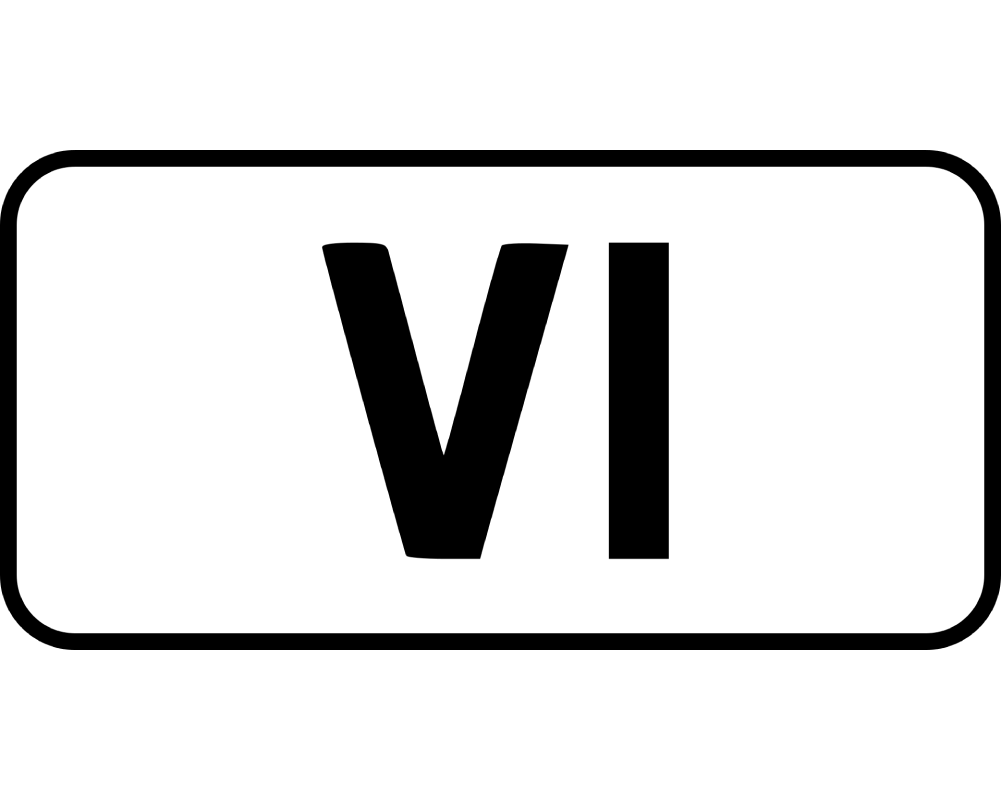 Day of the week
Indicates the day of the week on which the road sign is valid.
 Time of validity
Indicates that the road sign is valid daily during the specified hours.
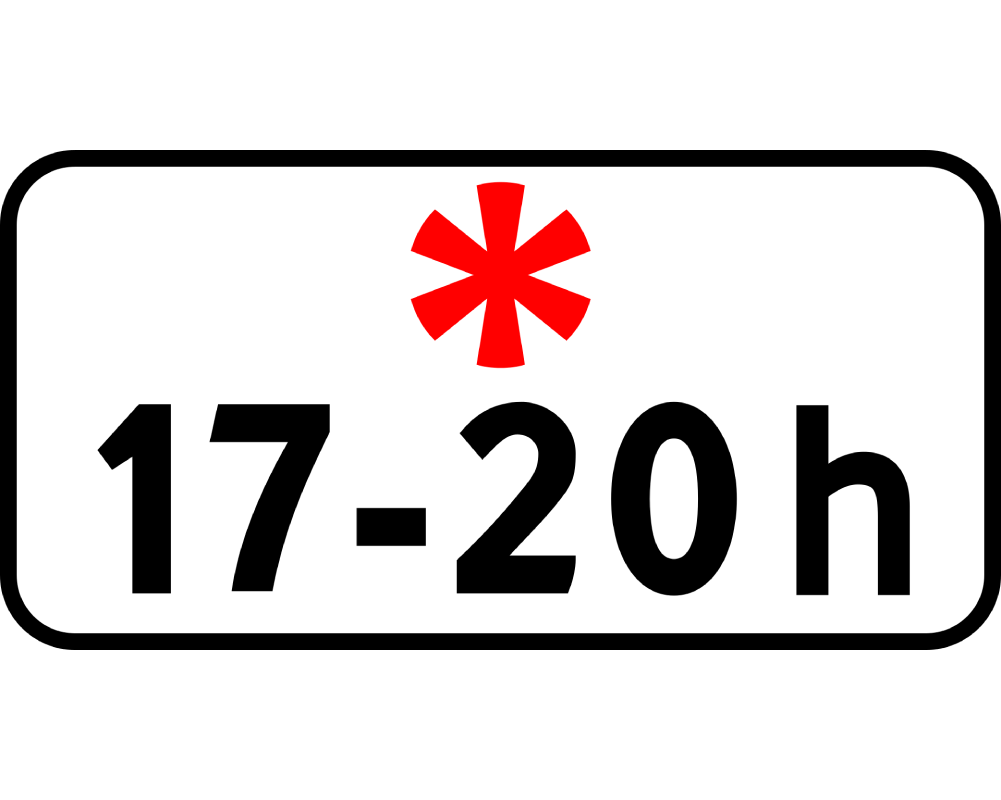 Time of validity on non-working days
Indicates the times on non-working days when the road sign is valid.
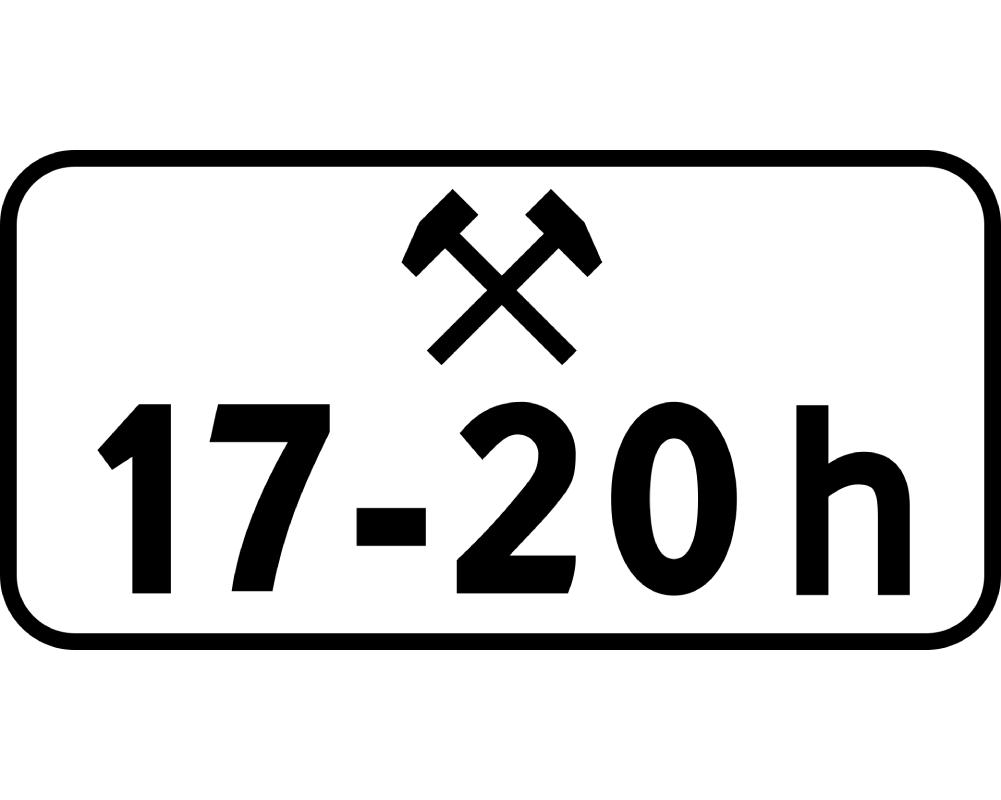 Time of validity on working days
Indicates the times on working days when the road sign is valid.
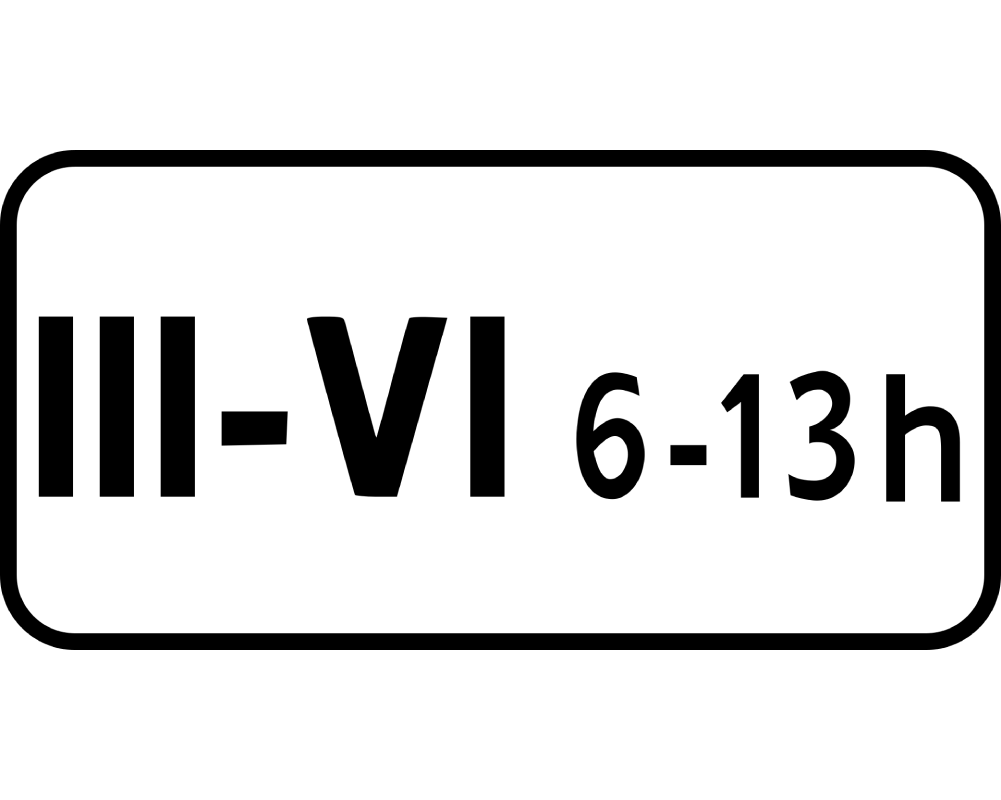 Time of validity on days of the week
Indicates the days and times when the road sign is valid.
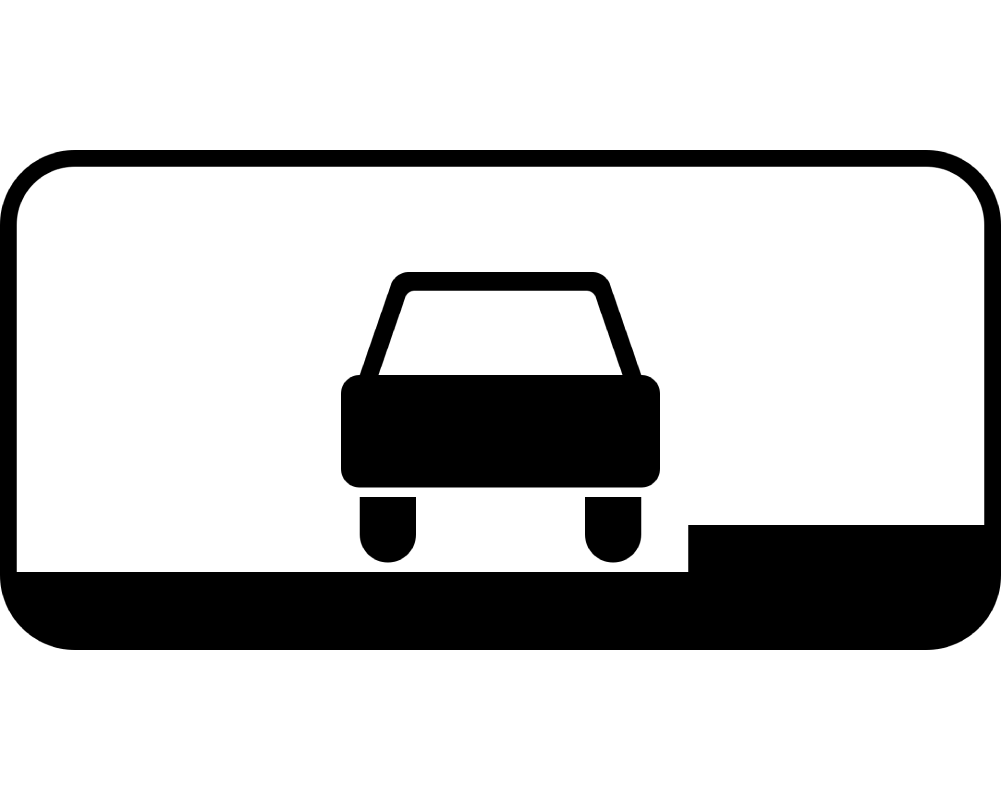 Parking method
All vehicles are permitted to park only on the carriageway along the sidewalk.
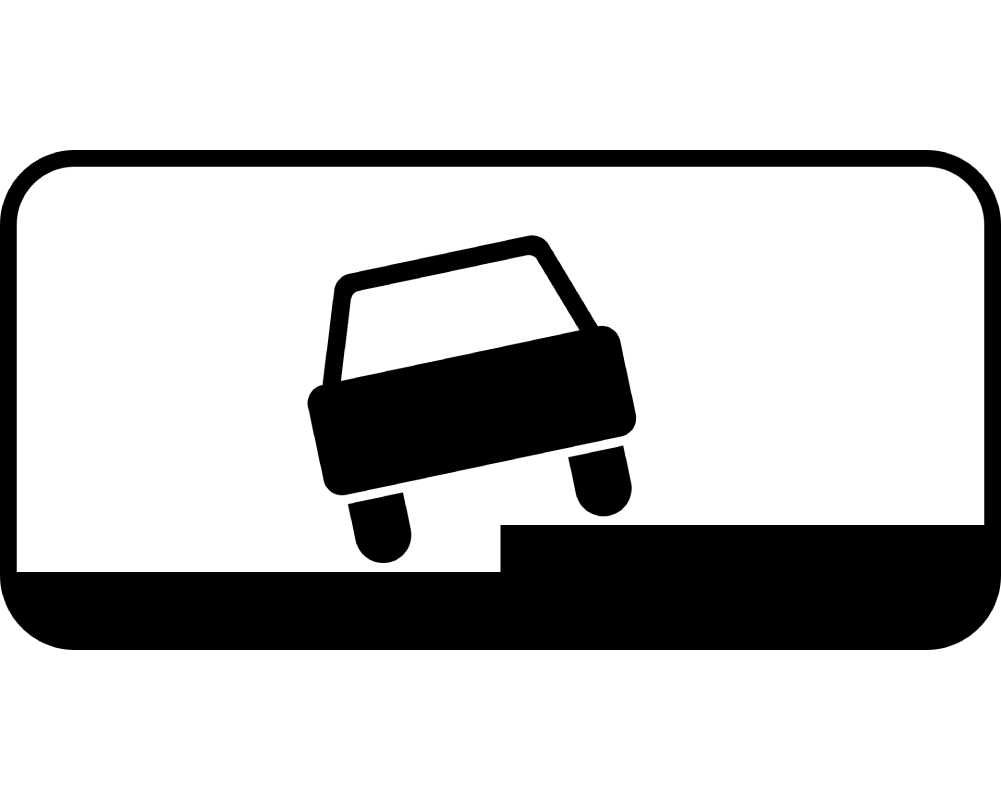 Parking method for passenger cars
Parking is permitted only as shown, and only for motor vehicles with a maximum permissible mass of no greater than 3.5 tons and their combinations with trailers. Mopeds and motorcycles are parked along the edge of the carriageway.
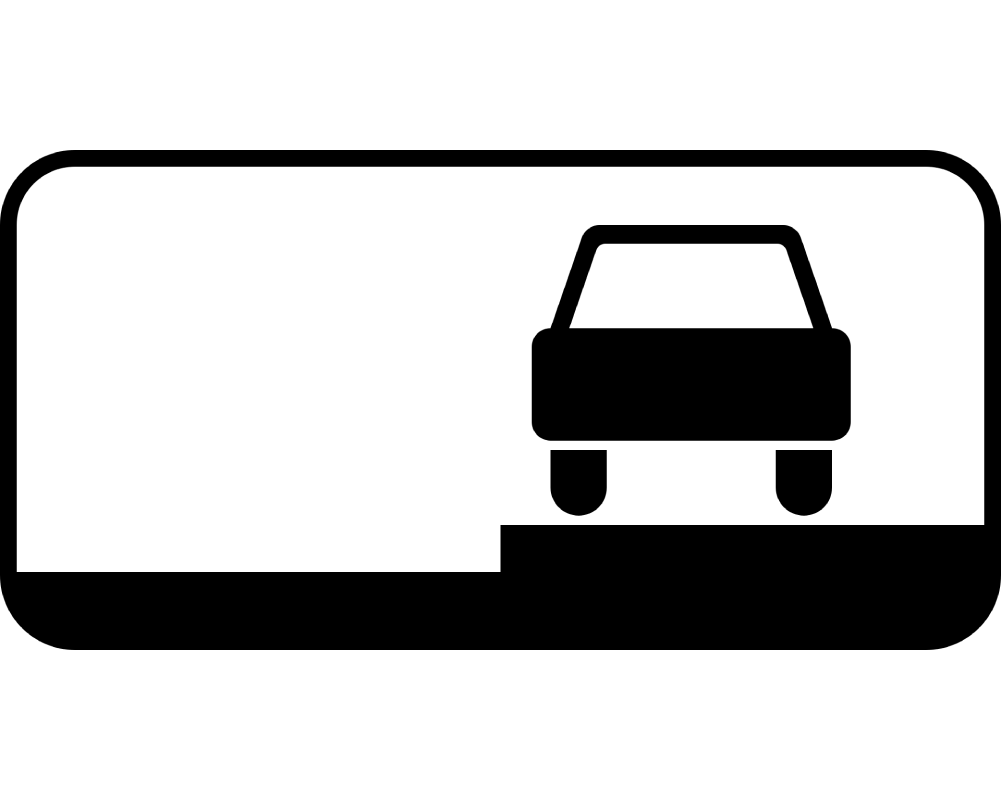 Parking method
Parking is permitted only as shown, and only for motor vehicles with a maximum permissible mass of no greater than 3.5 tons and their combinations with trailers. The vehicle must stand right next to the edge of the sidewalk closest to the carriageway.
 Parking method
Parking is permitted only as shown, and only for motor vehicles with a maximum permissible mass of no greater than 3.5 tons.
 Parking method
Parking is permitted only as shown, and only for motor vehicles with a maximum permissible mass of no greater than 3.5 tons. Mopeds and motorcycles may be parked along the edge of the carriageway.
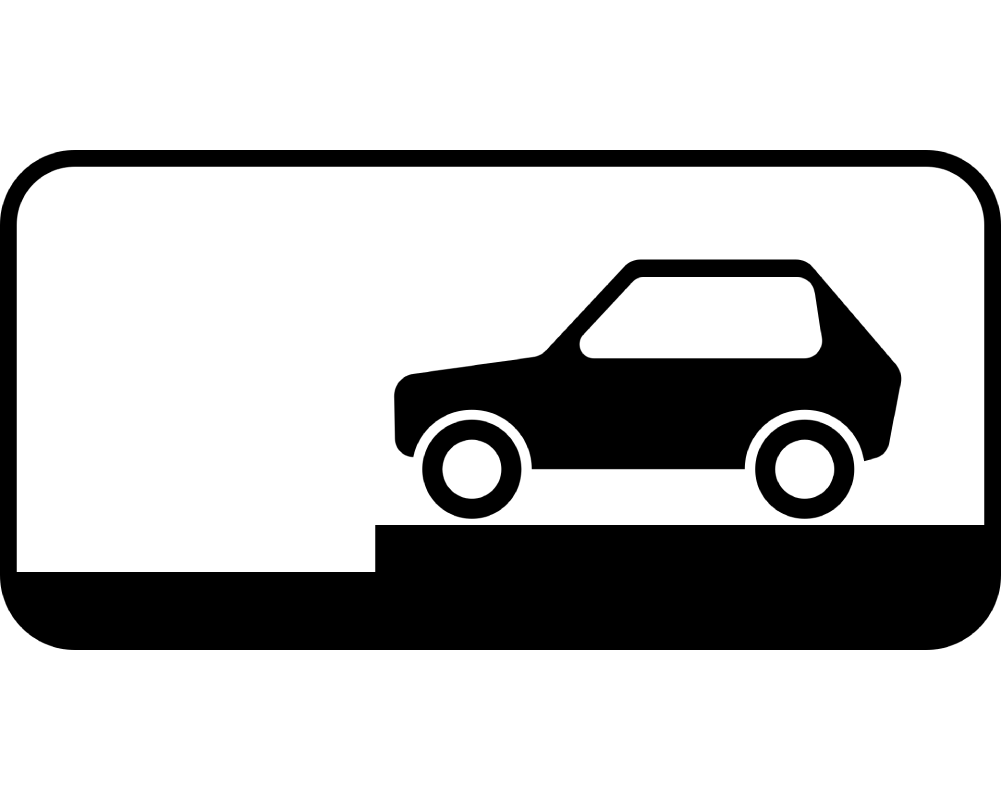 Parking method
Parking is permitted only as shown, and only for motor vehicles with a maximum permissible mass of no greater than 3.5 tons. The vehicle must stand right next to the edge of the sidewalk closest to the carriageway.
 Parking method
Parking is permitted only as shown, and only for motor vehicles with a maximum permissible mass of no greater than 3.5 tons.
 Parking method
Parking is permitted only as shown, and only for motor vehicles with a maximum permissible mass of no greater than 3.5 tons. Mopeds and motorcycles may be parked along the edge of the carriageway.
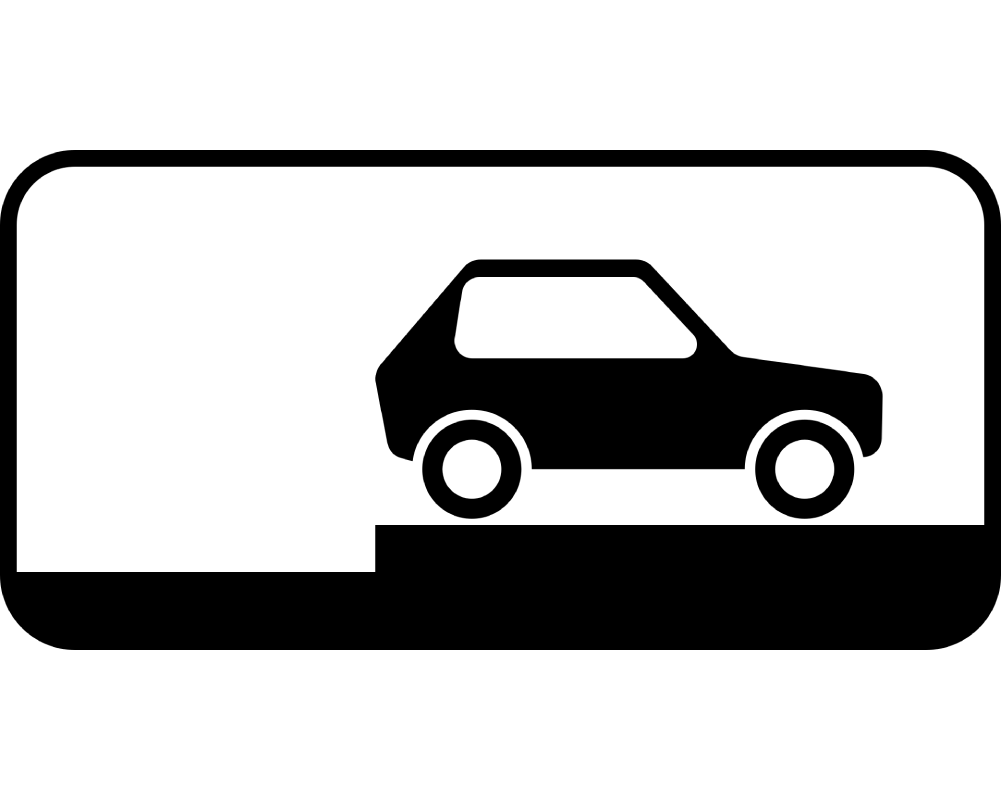 Parking method
Parking is permitted only as shown, and only for motor vehicles with a maximum permissible mass of no greater than 3.5 tons. The vehicle must stand right next to the edge of the sidewalk closest to the carriageway.
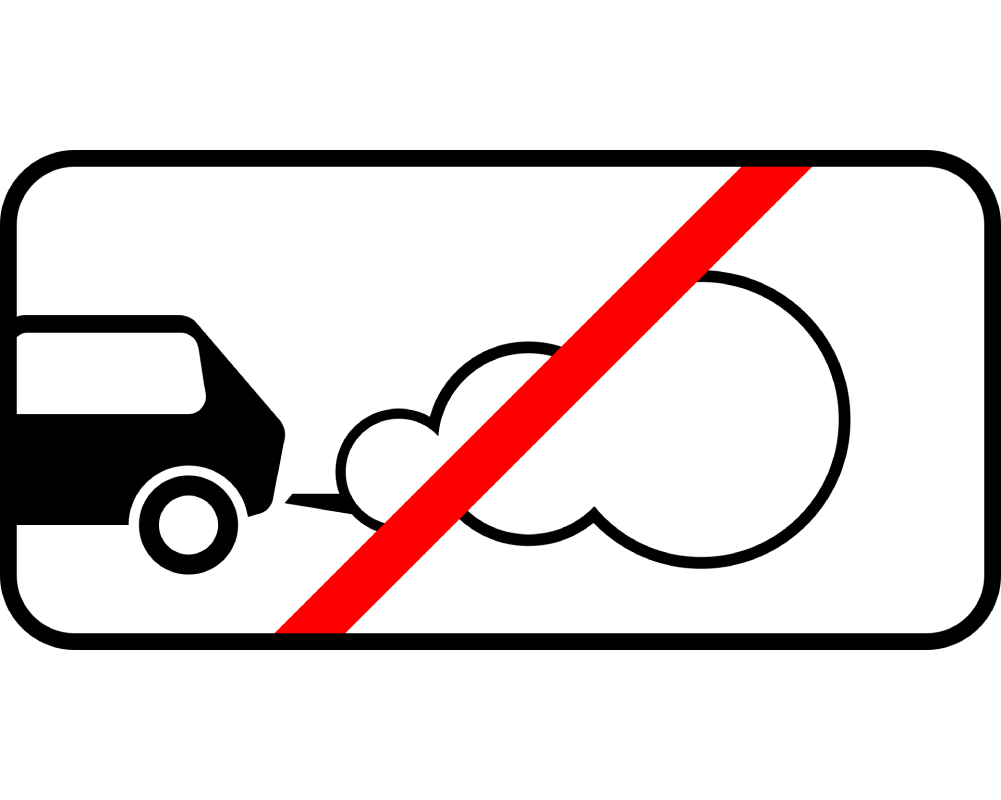 Park with engine off
At the parking place, parking is permitted only with the engine switched off.
 Paid services
Indicates that services must be paid for. A plate installed together with the road sign "Road or bicycle route number" marks the place from which the road is tolled. If the plate indicates a time of validity, services must be paid for at the specified time. Information about the toll zone may be indicated on the plate.
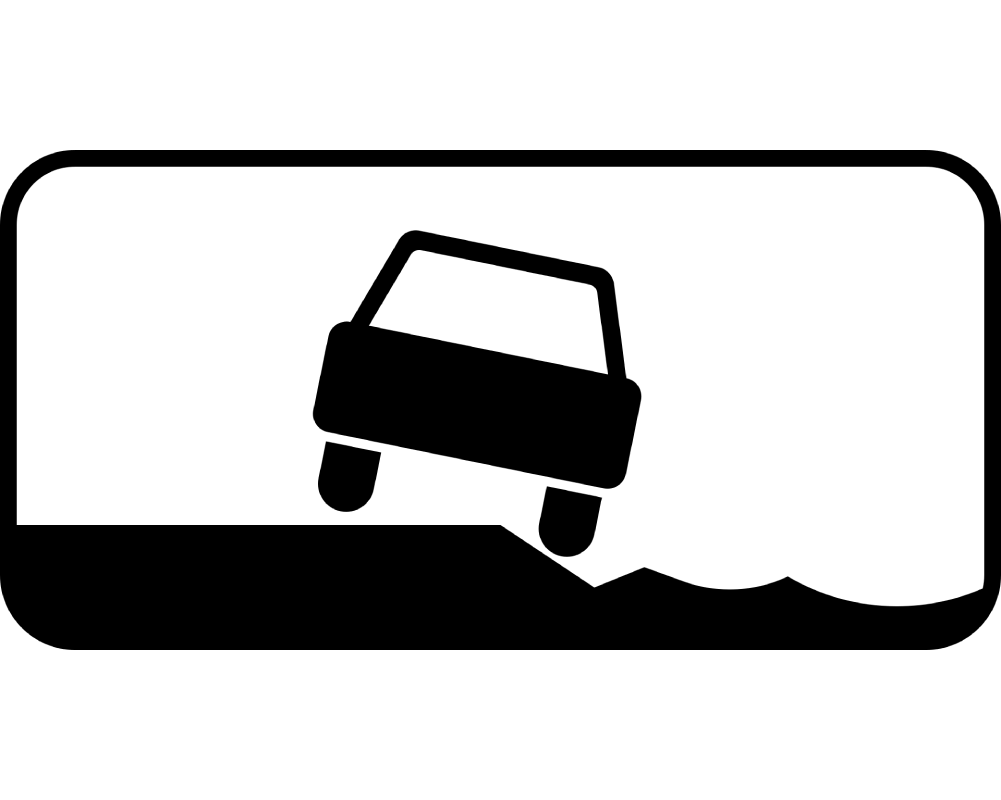 Dangerous shoulder
Warns that driving onto the shoulder is dangerous.
 Direction of main road
Indicates the direction of the main road at the intersection. Used with road signs "Main road".
 Direction of main road
Indicates the direction of the main road at the intersection. Used with road signs "Give way" or "Stop".
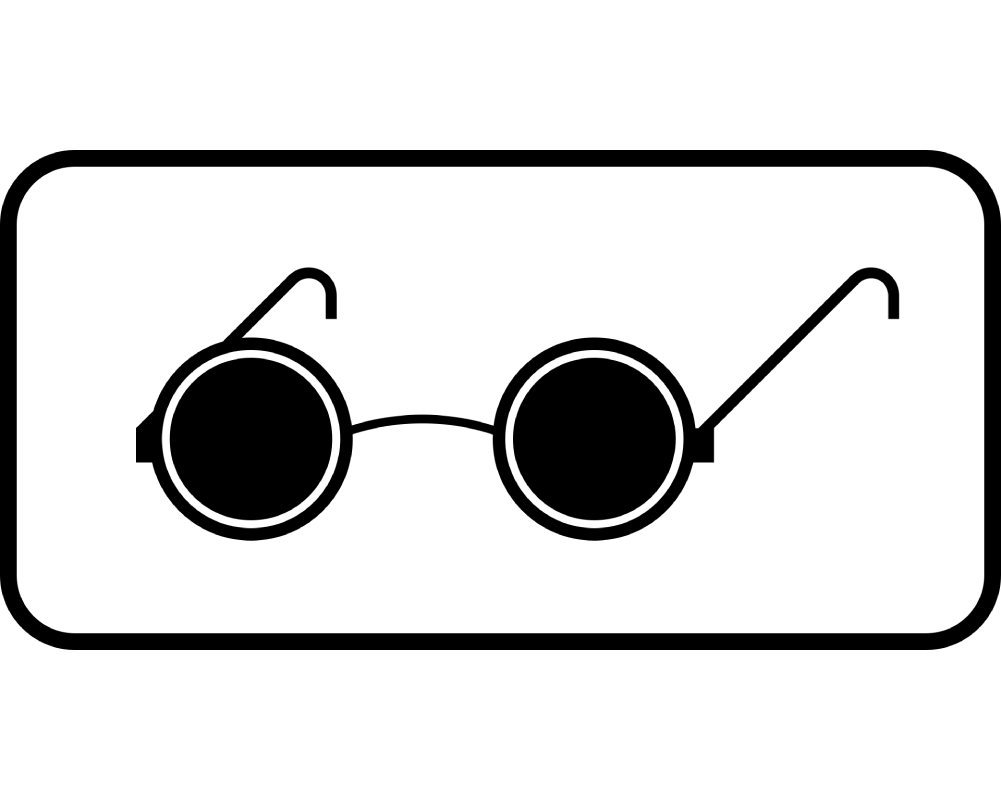 Visually impaired persons
Indicates that visually impaired persons use the pedestrian crossing.
 Wet surface
Indicates that the road sign with which the plate is used is valid when the carriageway surface is wet.
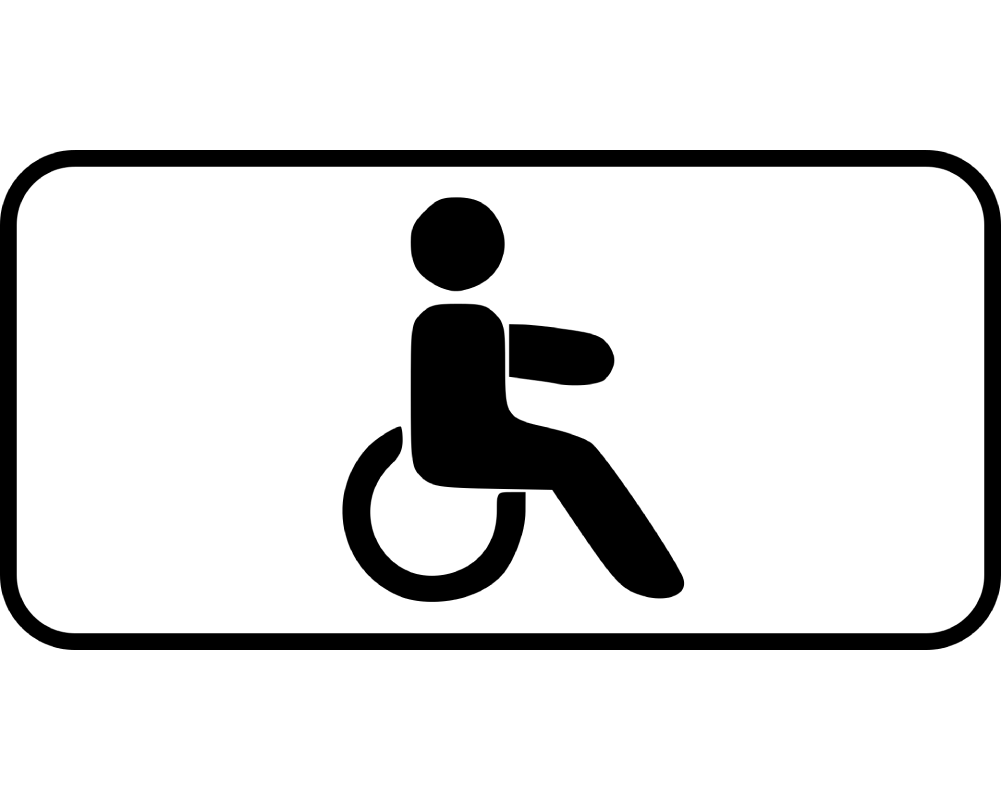 Persons with disabilities
Indicates that the parking place is intended only for vehicles bearing the distinguishing mark "Person with disability" or a disabled person's car parking card as established in the Rules.
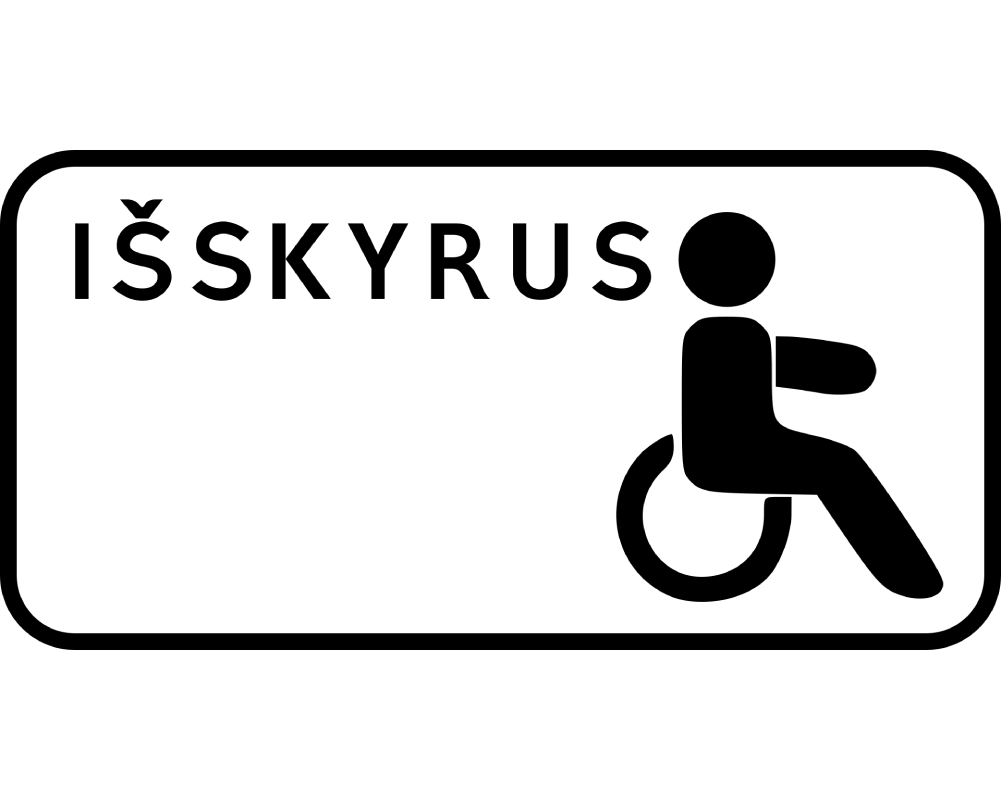 Except persons with disabilities
Indicates that the road signs do not apply to vehicles marked with the distinguishing mark "Person with disability" or a disabled person's car parking card.
 Icy road
The section marked in this way is often slippery due to ice or snow.
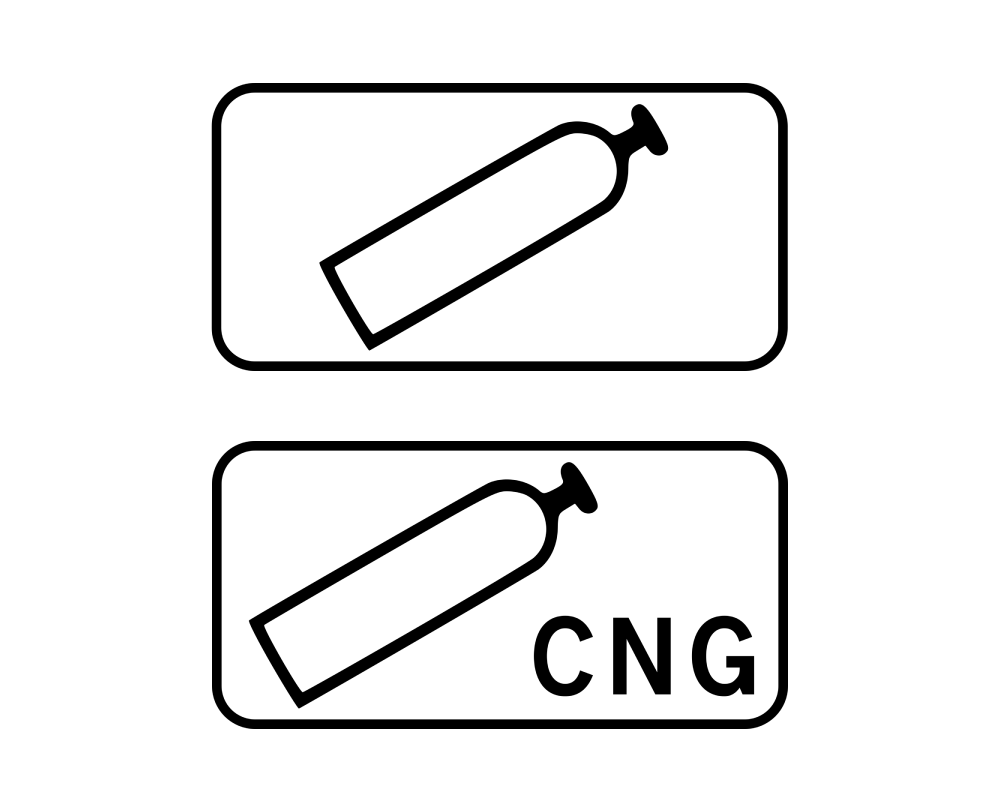 Compressed natural gas
Used with the road sign "Filling station" and indicates that vehicles are supplied with compressed natural gas at the filling station.
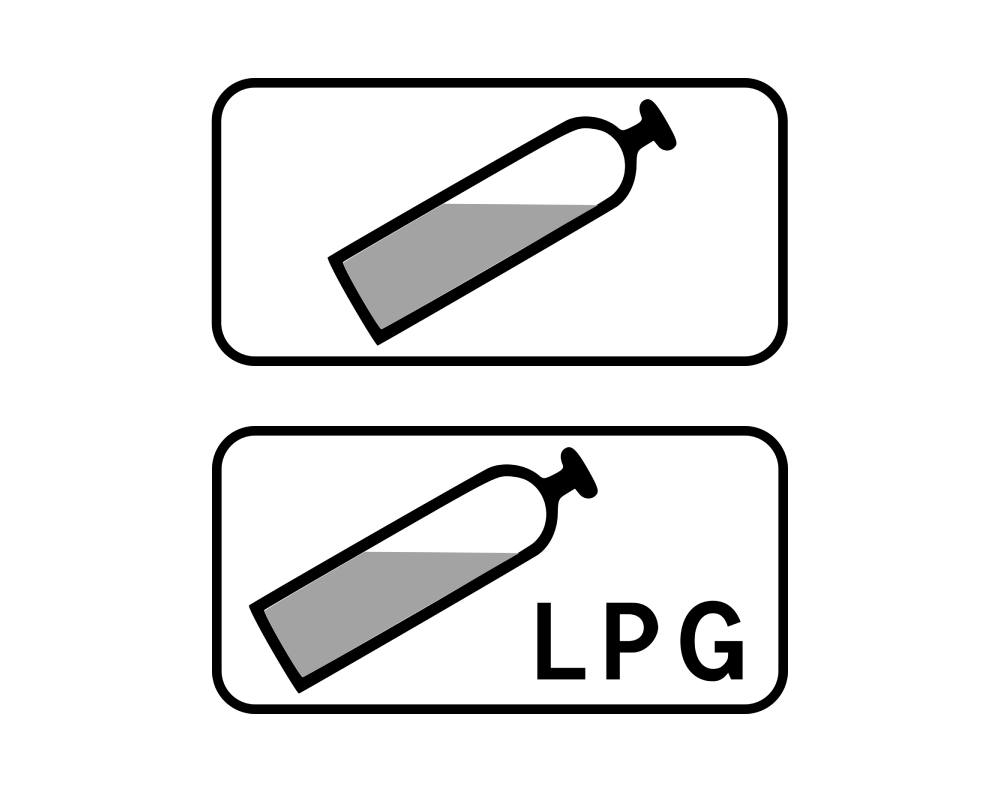 Liquefied petroleum gas
Used with the road sign "Filling station" and indicates that vehicles are supplied with liquefied petroleum gas at the filling station.
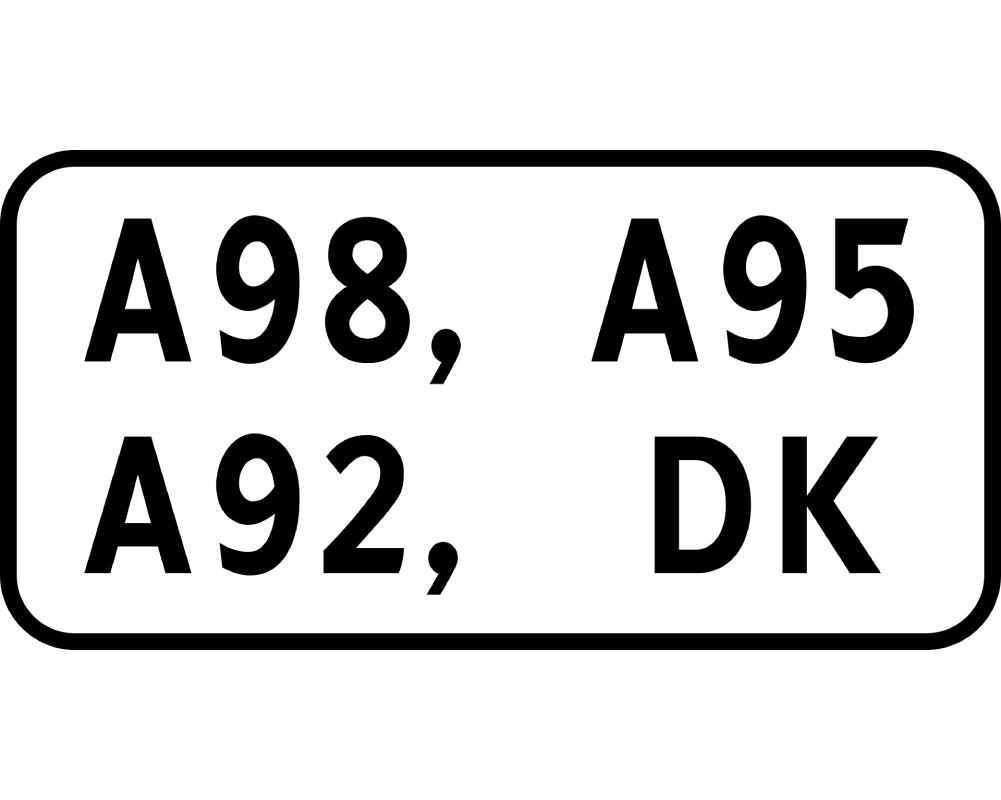 Types of fuel
Used with the road sign "Filling station" and indicates the types of fuel and energy sources available at the filling station (for example, electricity, hydrogen gas, compressed natural gas, compressed biomethane, liquefied natural gas, liquefied biomethane, liquefied petroleum gas).
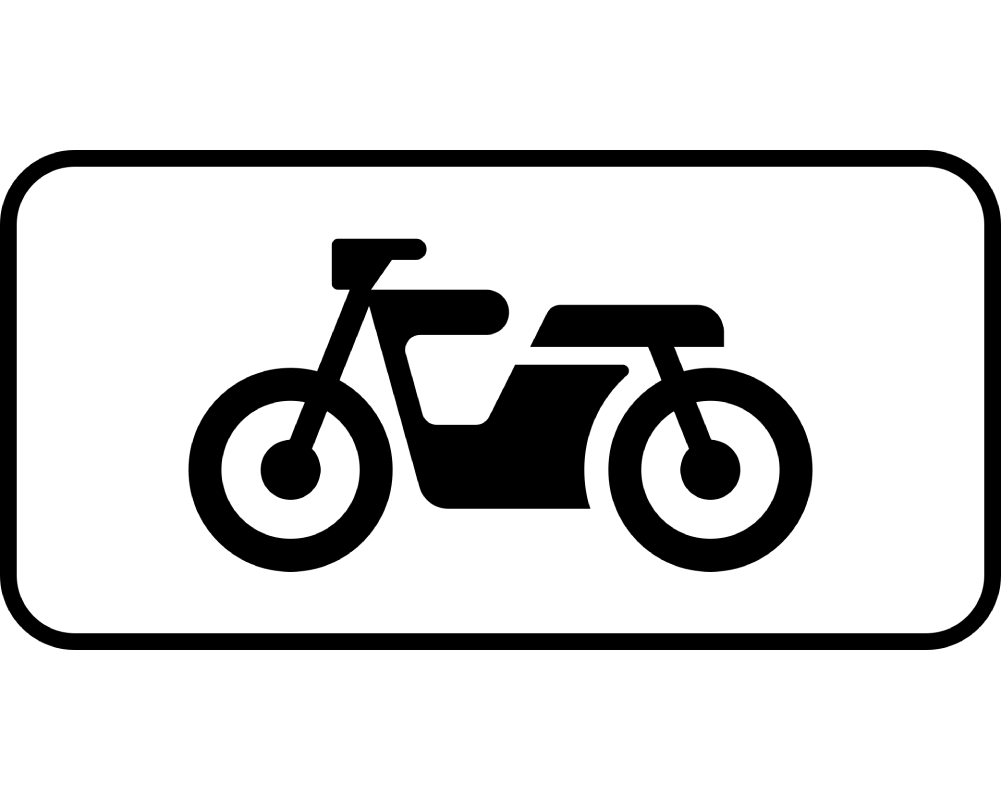 Mopeds
Indicates the type of vehicle to which the road sign applies.
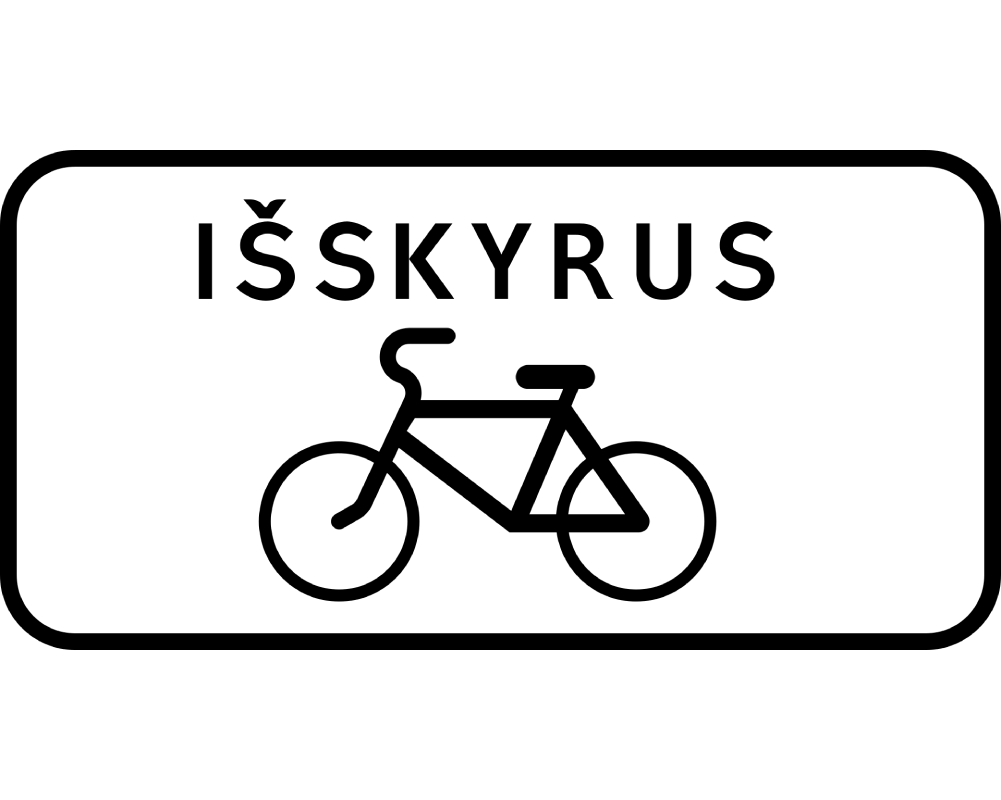 Except cyclists
Indicates that the road signs do not apply to cyclists and riders of electric micro-mobility vehicles.
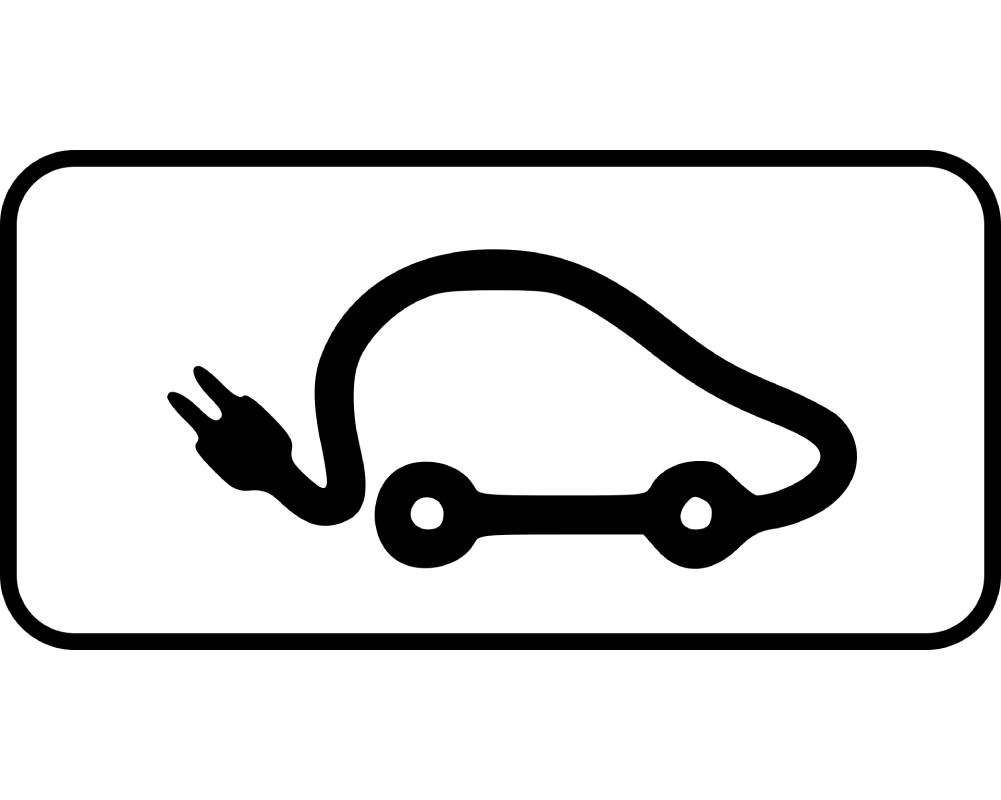 Electric vehicles
Indicates that the parking place is intended for electric vehicles to park only during their charging.
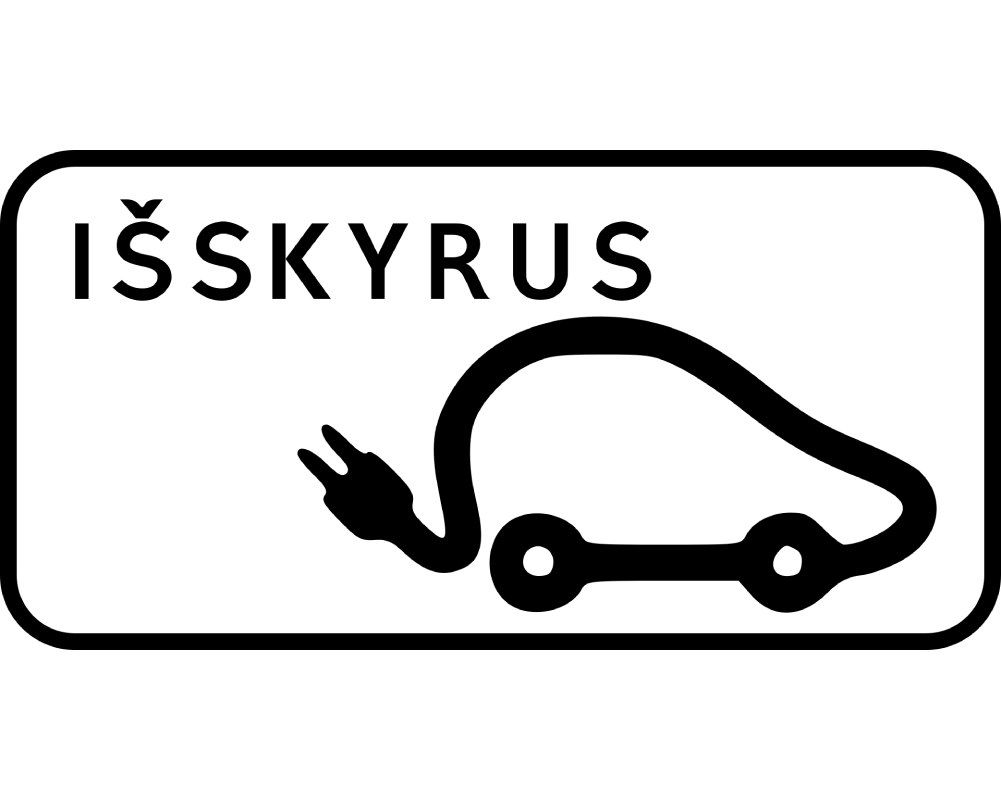 Except electric vehicles
Indicates that the road signs do not apply to electric vehicles.
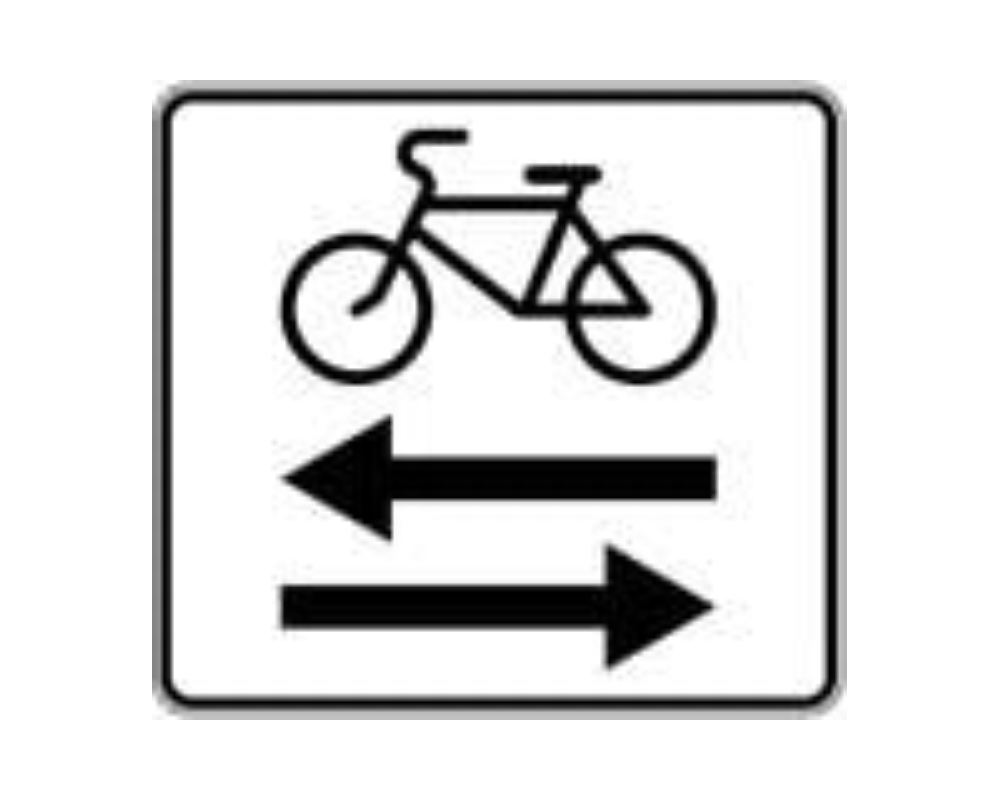 Bicycle traffic
Informs that bicycle and electric micro-mobility vehicle traffic takes place in the indicated directions.
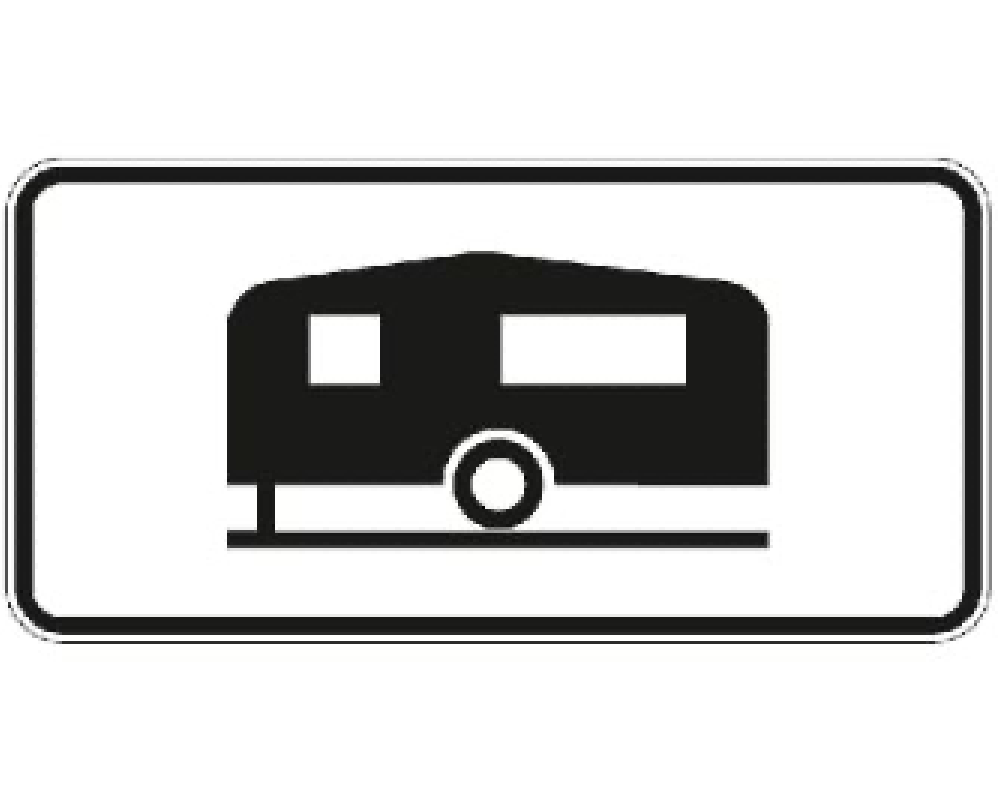 Motorhomes
Indicates the type of vehicle to which the road sign applies.
It is prohibited to attach to a road sign, its post, or any other traffic control device anything that is not related to the purpose of that road sign or device. It is prohibited to indicate on a road sign information related to a person's economic-commercial, financial or professional activity that encourages the acquisition of goods or use of services (for example, a company name, trademark, type of services provided, address, telephone number, and the like).
The image of the installed road sign may differ from those depicted, but the changes made to the road sign images must comply with the requirements established in the Rules for the Installation of Road Signs and Vertical Marking, approved by an order of the Minister of Transport and Communications.